

Oahu, Hawaii, is synonymous with perfect beaches and searching, but beneath the top lies an entirely different world. For thrill-seekers and maritime enthusiasts, www.hawaiidivers.org offers a unusual chance to watch some of the ocean's many misunderstood predators within their normal habitat.
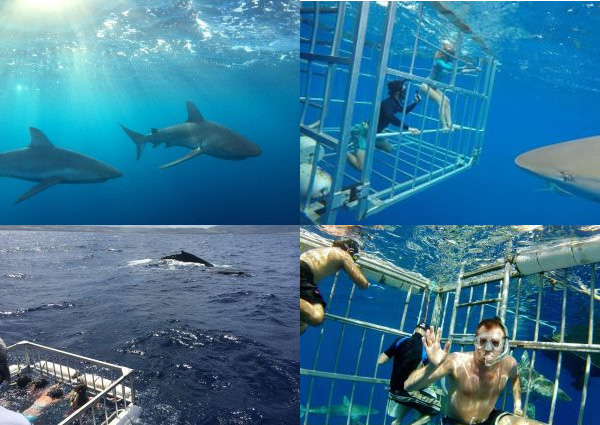
Unlike the scary moments usually represented in movies, these activities are typically peaceful, educational, and purely regulated. If you are considering getting the dive, you likely have questions about protection, what you'll see, and why Oahu is a leading destination for this activity.
How safe is shark fishing in Oahu?
Protection is the principal concern for anybody contemplating this activity. A in Hawaii is greatly governed, with operators sticking with rigid safety protocols. Most trips run crate diving activities, wherever members are surrounded in a sturdy material cage that drifts at first glance or is immersed slightly. This gives an actual buffer between humans and sharks, ensuring security while giving excellent visibility.
Statistically, shark situations during arranged tours are almost non-existent. Operators are experienced in studying shark behavior and environmental conditions. If water problems are hard or shark conduct is hostile (which is rare), dives are canceled or modified.
What shark species may you anticipate to see?
The seas surrounding Oahu are teeming with maritime life. Within a typical jump, the most frequent species withstood are Galapagos sharks and Sandbar sharks. These species are usually curious however not hostile toward divers in these managed environments.
Occasionally, lucky divers might place a Lion shark or perhaps a Hammerhead, nevertheless these sightings are less guaranteed. The selection of underwater living stretches beyond sharks; it's perhaps not uncommon to see dolphins, humpback whales (during cold weather months), and natural beach turtles near the dive sites.
Do you need scuba certification?
One of the very accessible aspects of shark crate fishing in Oahu is that it usually does not require scuba certification. Many crate dives make use of a snorkel system or a surface-supplied air process (hookah), meaning the cage remains at the surface. Members just move in the cage and search down through the clear water.
For free-diving or cageless shark fishing experiences, which are available but less frequent for common tourists, advanced swimming skills and often unique certifications are required. Nevertheless, for the standard crate knowledge, fundamental swimming capacity and comfort in the water are usually sufficient.
Why is the North Shore the popular place?
The North Shore of Oahu is well-known for its large waves, however it can be the heart for shark tours. That is largely as a result of geography. The ocean floor drops off somewhat easily three miles out from Haleiwa, creating serious orange seas that pelagic (open ocean) sharks prefer.
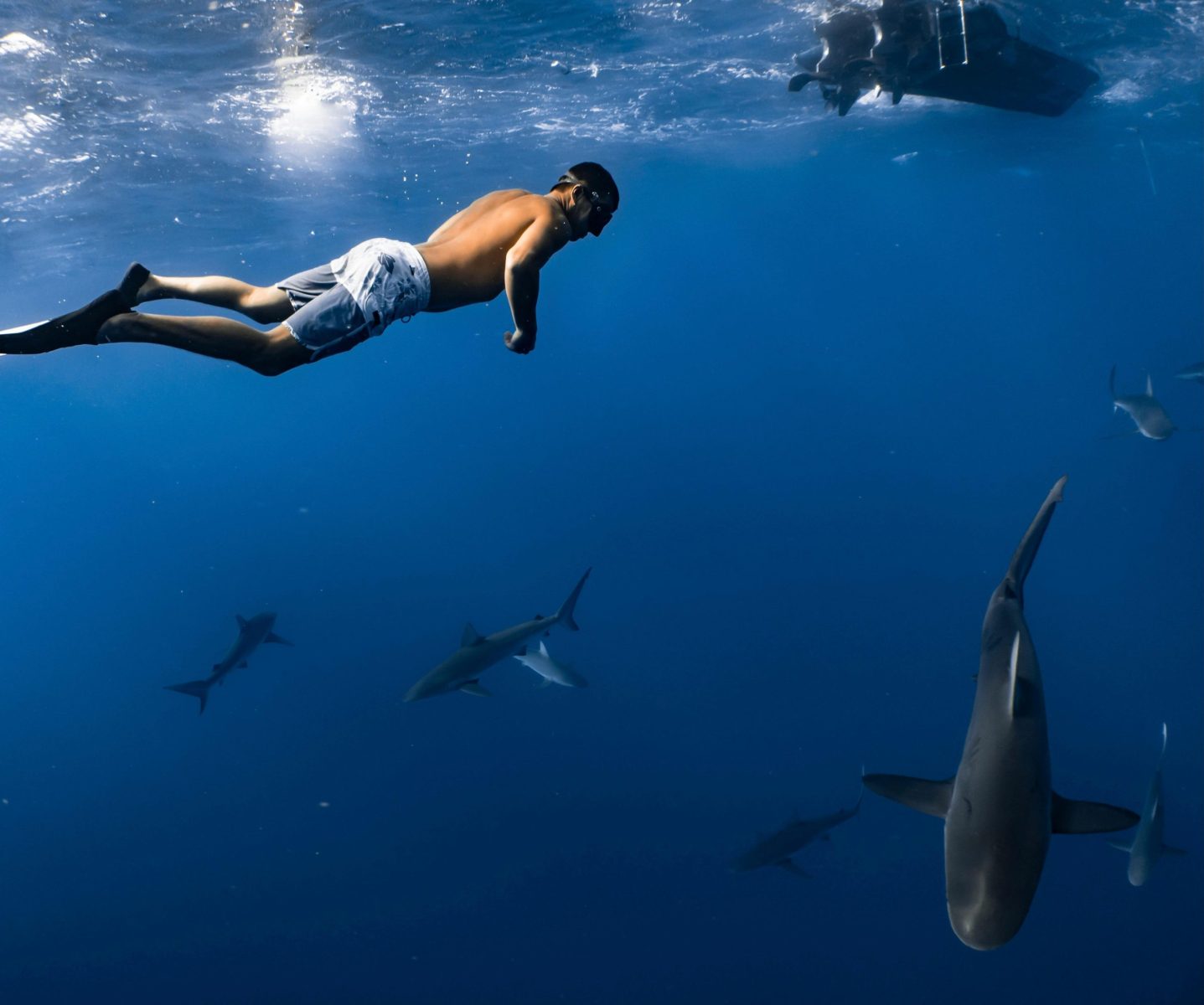
These parts are far enough from shore to be organic habitats for these animals, yet available enough for a morning ship ride. The quality of the water on the North Shore—often exceeding 100 legs of visibility—makes it ideal for underwater watching and photography.
What is the conservation affect?
Participating in these tours often plays a part in shark conservation. Many operators use their tools to educate people about the essential role sharks enjoy in the marine ecosystem. Sharks are pinnacle predators; they hold fish populations healthy by removing sick or poor individuals.
By viewing these majestic creatures up close, divers often keep with an increased respect and a want to guard them, countering the plot of sharks as mindless man-eaters. Tourism revenue has an financial incentive to help keep sharks alive as opposed to fishing them, encouraging broader conservation attempts in Hawaii.